Webbing is one of the most important components used in bags, backpacks, luggage and travel products.
Although it may appear to be a simple woven strap, the right bag webbing needs to provide a combination of strength, durability, flexibility, abrasion resistance and appearance. Depending on the product, webbing may be used as a shoulder strap, handle, reinforcement, adjustment strap, attachment loop or load-bearing component.
The material and construction of the webbing can significantly influence the performance and appearance of the finished bag.
Common materials include polyester, nylon and polypropylene (PP), with each material offering different characteristics and advantages.
D I PLAST INDIA supplies webbing solutions for the bag and sports industry, including bag straps, PP webbing and shoulder straps.
In this guide, we will explain the different types of bag and luggage webbing, their applications, material differences, important specifications and what manufacturers should consider when sourcing webbing.
Bag webbing is a narrow woven textile used to manufacture or reinforce straps, handles and other structural components of bags.
Unlike ordinary fabric, webbing is manufactured specifically in narrow widths and is designed to provide controlled strength and flexibility.
It can be found on products such as:
Backpacks
School bags
Travel bags
Duffel bags
Laptop bags
Sports bags
Trolley bags
Shopping bags
Outdoor bags
Tactical bags
Tool bags
Camera bags
Motorcycle luggage
Camping equipment
Depending on the design, the webbing may carry a significant portion of the load of the finished product.
A bag can have an excellent outer fabric and high-quality zippers, but poorly selected webbing can still become a weak point.
Bag webbing contributes to:
The strap must withstand the weight of the contents and repeated pulling forces.
Bag straps are frequently bent, folded, pulled and rubbed against clothing, hardware and other surfaces.
Shoulder straps and handles need an appropriate combination of width, thickness and flexibility.
Webbing is highly visible on many bags, making its color, texture and finish important to the overall design.
Webbing allows manufacturers to create:
Adjustable straps
Handles
Loops
Compression straps
Attachment points
Buckle systems
Reinforcement areas
For this reason, selecting the correct webbing is an important part of bag design.
There are several types of webbing available for bag manufacturing.
The most appropriate option depends on the bag's application, expected load, design, cost target and appearance.
Polyester webbing is widely used for bags, luggage and outdoor products.
It is generally valued for:
Good tensile strength
Low stretch
Good abrasion resistance
UV resistance
Dimensional stability
Consistent appearance
Polyester is a good option where manufacturers need a durable strap with relatively low elongation and good resistance to environmental exposure.
It can be used for:
Backpack straps
Luggage straps
Travel bags
Outdoor equipment
Sports bags
Handles
Reinforcement straps
Nylon is another popular material for bag webbing.
It is known for its combination of:
High strength
Flexibility
Toughness
Abrasion resistance
Nylon can be particularly useful where a softer and more flexible strap is desired.
Applications include:
Backpacks
Travel bags
Outdoor equipment
Tactical bags
Pet products
Camera straps
Heavy-duty luggage
However, nylon and polyester behave differently in terms of moisture absorption, elongation and environmental performance, so material selection should be based on the intended application.
Polypropylene, commonly abbreviated as PP, is a lightweight material that is widely used for economical bag straps and general-purpose webbing.
PP webbing can be suitable for:
School bags
Shopping bags
Lightweight luggage
Utility bags
Promotional bags
General-purpose straps
D I PLAST INDIA's product range includes PP Bag Webbing, while its industry portfolio specifically identifies PP webbing and bag straps for the bag and sports segment.
One of the main advantages of PP is its relatively low density, making it useful when keeping the overall weight and cost of the finished product under control.
Choosing between these materials is one of the most common decisions for bag manufacturers.
Property | Polyester | Nylon | Polypropylene |
|---|---|---|---|
Strength | High | High | Moderate to high |
Flexibility | Very good | Excellent | Good |
Abrasion resistance | Very good | Excellent | Good |
Moisture absorption | Very low | Higher | Very low |
UV resistance | Very good | Good | Lower than polyester |
Stretch | Low | Higher | Low to moderate |
Weight | Moderate | Moderate | Lightweight |
Cost | Moderate | Higher | Economical |
Typical use | Premium/general bags | Heavy-duty bags | Cost-sensitive/lightweight bags |
These are general material tendencies. Actual webbing performance depends on the yarn specification, weave, width, thickness and manufacturing process.
Bag webbing is available in a wide range of widths.
The required width depends on the application.
For example:
Can be used for:
Small loops
Adjustment straps
Attachment points
Small bags
Commonly used for:
Backpack straps
Handles
Travel bags
Duffel bags
Often considered for:
Heavy-duty shoulder straps
Large luggage
Tactical equipment
Load-bearing applications
The correct width should be selected based on the expected load, comfort requirements, hardware dimensions and bag construction.
Width is only one part of the specification.
Thickness can also influence the performance and appearance of a bag strap.
Thicker webbing may provide:
Greater substance
Different stiffness
Better visual appearance
Increased cushioning when combined with suitable construction
However, thicker does not automatically mean stronger.
Strength depends on several factors, including:
Fiber
Yarn construction
Number of yarns
Weave density
Width
Thickness
Manufacturing quality
The complete specification should therefore be considered when selecting bag webbing.
Webbing can be manufactured in different constructions.
Flat webbing has a relatively flat profile and is one of the most common options for:
Bag straps
Handles
Belts
Luggage straps
General-purpose applications
Tubular webbing has a hollow or tube-like construction.
It may be selected for applications requiring:
Different flexibility characteristics
Rope or cord insertion
Specialized harness construction
Protective covering
The construction should be selected according to the specific application rather than simply based on appearance.
For fashion and premium bags, appearance can be just as important as strength.
Jacquard webbing allows patterns, logos, lettering and decorative designs to be integrated into the woven structure.
This makes it useful for:
Fashion bags
Premium backpacks
Brand straps
Designer luggage
Promotional products
Sports brands
D I PLAST INDIA offers jacquard bag webbing, including 2-inch jacquard bag webbing and other customized constructions.
Jacquard webbing can therefore transform a functional strap into an important branding element.
Printed webbing is another option for manufacturers that want to add branding or graphics.
Possible applications include:
Company logos
Brand names
Repeating patterns
Promotional designs
Decorative graphics
Printed webbing can be particularly useful for brands that want the strap itself to become part of the visual identity of the product.
The appropriate printing process depends on:
Material
Color
Design
Required durability
Production quantity
Bag webbing has applications across a wide range of products.
Webbing is commonly used for:
Shoulder straps
Adjustment straps
Handles
Compression straps
Attachment loops
Travel bags often use webbing for:
Handles
Shoulder straps
Reinforcement
External compression
Attachment points
Webbing can be incorporated into:
Suitcase straps
Handles
Internal securing straps
External luggage straps
PP and polyester webbing are commonly considered for school bag straps because they can provide a practical combination of strength, flexibility and cost.
Sports bags may require stronger webbing because they can carry heavier equipment.
Outdoor and camping products may require webbing with good resistance to abrasion and environmental exposure.
These applications may require specialized webbing constructions, colors, widths and strength characteristics.
Choosing the correct webbing should begin with the application.
Ask the following questions.
A lightweight shopping bag and a heavy-duty travel bag do not require the same strap construction.
Consider whether the bag will be used:
Indoors
Outdoors
For travel
For sports
For industrial work
In humid environments
In direct sunlight
Choose between polyester, nylon, PP or another suitable material based on the required characteristics.
The width should be compatible with the bag design and hardware.
Thickness affects the feel, appearance and construction of the strap.
If yes, consider:
Printed webbing
Jacquard webbing
Custom colors
Custom patterns
Large-volume production may require tighter control of:
Roll length
Batch consistency
Color matching
Packaging
Delivery schedule
For many bags, webbing is a highly visible design element.
A mismatch between the webbing and the bag fabric can negatively affect the final appearance.
Manufacturers may therefore specify:
Standard color
Pantone reference
Customer-approved sample
Custom dyed color
For large production orders, color consistency between batches is especially important.
The webbing must work correctly with the hardware used in the bag.
Common hardware includes:
Buckles
Adjusters
D-rings
Tri-glides
Hooks
Clips
Loops
For example, if a buckle is designed for a specific strap width, using a webbing that is too narrow or too thick can cause poor adjustment or slippage.
The manufacturer should therefore consider the webbing and hardware together during product development.
Webbing strength is only one part of the finished strap.
The connection between webbing and the bag is equally important.
A strap may be strong, but poor stitching can become the failure point.
Depending on the application, manufacturers may use:
Box stitching
Bar-tack stitching
Reinforced stitching
Multiple stitch patterns
The stitch configuration should be selected according to the expected load and bag construction.
The manufacturing process generally includes:
The appropriate yarn is selected according to material and performance requirements.
The yarns are arranged and prepared for weaving.
The yarns are woven on a narrow-fabric loom to create the required webbing construction.
The webbing is dyed to the required color when applicable.
Finishing processes may be applied depending on the required characteristics.
Branding or decorative patterns can be added when required.
The finished webbing is checked for characteristics such as:
Width
Thickness
Appearance
Strength
Length
Finishing
D I PLAST INDIA states that each roll is checked for width, strength, length and finishing before dispatch.
The finished webbing is rolled and packaged for transportation.
High-quality bag webbing is not determined by material alone.
A good product should provide consistent:
Width
Thickness
Weave
Color
Edge quality
Strength
Roll length
Surface finish
Consistency is particularly important for bag manufacturers operating automated or high-volume production lines.
Variations in webbing can create problems during:
Cutting
Stitching
Hardware insertion
Assembly
Quality inspection
Inconsistent width can cause problems with hardware and stitching.
Edges that fray easily can affect both appearance and durability.
Variations may create difficulties during stitching or hardware assembly.
Different batches may not match the finished bag.
Insufficient strength can result in premature failure under load.
Uncontrolled elongation can affect the fit and appearance of straps.
Incorrect roll lengths can create problems in production planning and material consumption.
There is no single "best" webbing for every bag.
PP webbing can be considered where lightweight construction and cost efficiency are important.
Polyester or nylon may be selected based on the required feel, appearance and performance.
Higher-strength polyester or nylon constructions may be appropriate.
Jacquard and printed webbing can provide additional branding and design value.
Material and construction should be selected according to expected exposure to abrasion, sunlight and moisture.
For larger bag manufacturers, sourcing directly from an experienced webbing supplier can provide several advantages.
These may include:
Customized specifications
Consistent quality
Bulk production
Custom colors
Custom widths
Technical support
Sample development
Better production planning
For custom applications, manufacturers can often develop a webbing based on a physical sample, drawing or technical specification.
D I PLAST INDIA Pvt. Ltd. supplies webbing solutions for the bag and sports industry, including bag straps, PP webbing and shoulder straps.
The company's product portfolio also includes:
Nylon webbing
Polyester webbing
PP webbing
Jacquard webbing
Printed webbing
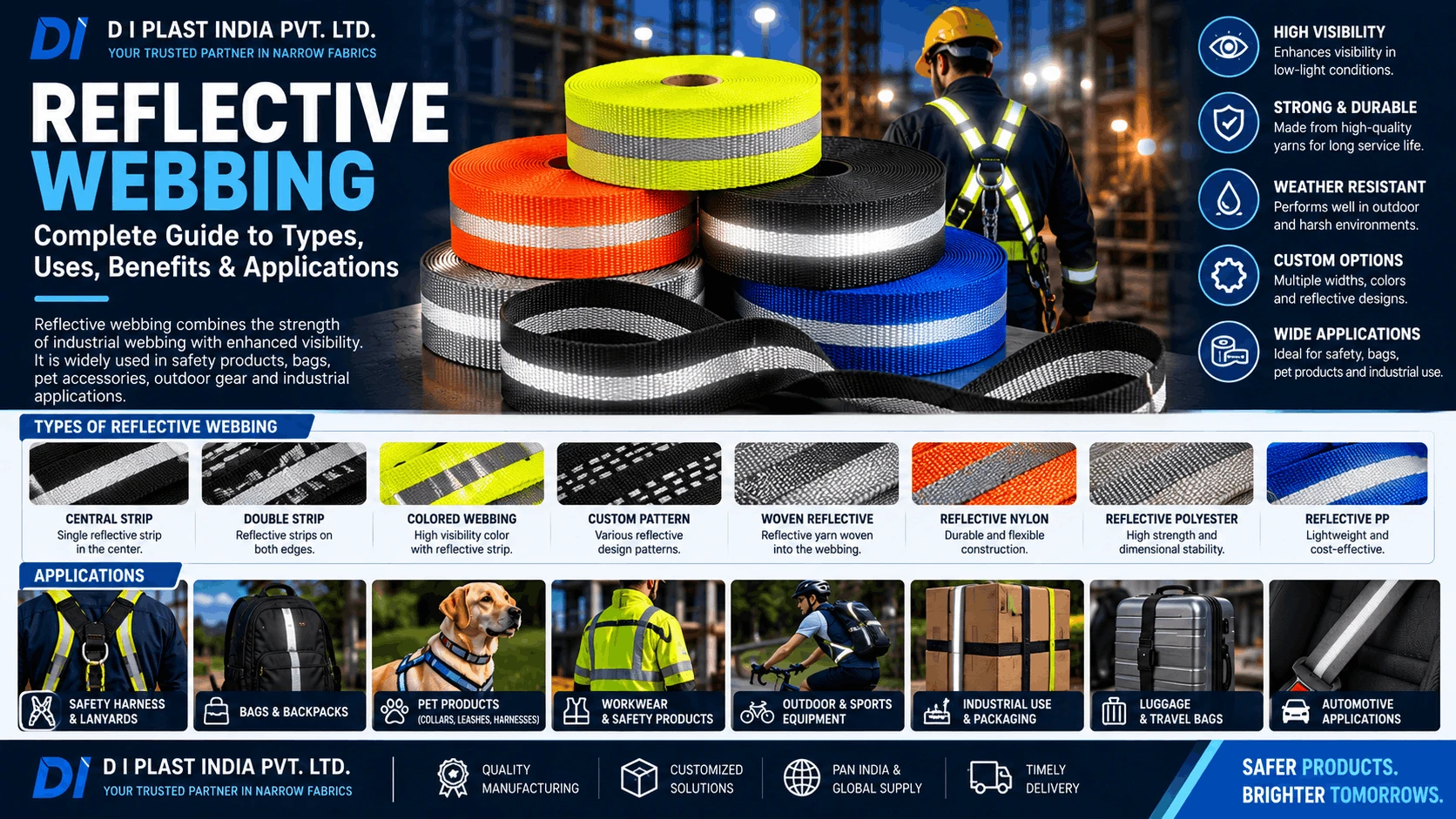
Reflective webbing
Tubular webbing
Industrial webbing
Army webbing
Technical webbing
D I PLAST INDIA also offers customized bag webbing constructions, including jacquard webbing specifically listed for bag strap manufacturing.
For manufacturers, customization can include factors such as:
Material
Width
Thickness
Color
Pattern
Tensile strength
Roll length
Packaging
When requesting a quotation, provide the supplier with the following information:
Material: Polyester / Nylon / PP
Width: For example, 25 mm, 38 mm, 50 mm, etc.
Thickness: Required thickness or sample reference
Color: Standard color, Pantone reference or physical sample
Application: Backpack / luggage / travel bag / sports bag / etc.
Strength: Required tensile strength if specified
Quantity: Monthly or one-time requirement
Roll Length: Required length per roll
Design: Plain / printed / jacquard / custom
Providing this information helps the manufacturer recommend an appropriate construction and quote accurately.
Bag and luggage webbing is an essential component of modern bags, backpacks, travel products and outdoor equipment.
The correct webbing must balance strength, durability, flexibility, appearance, cost and application requirements.
Polyester is often considered where low stretch, durability and environmental stability are important. Nylon can be attractive when flexibility, toughness and abrasion resistance are priorities. PP can be useful for lightweight and cost-sensitive applications.
For premium and branded products, printed and jacquard webbing can turn a functional strap into an important design and branding element.
The most important point is that webbing should be selected based on the complete bag design rather than simply choosing the cheapest or strongest material.
A good webbing supplier should be able to provide consistent quality while helping the manufacturer select the right combination of material, width, thickness, construction, color and strength.
D I PLAST INDIA provides customized narrow-fabric and webbing solutions for bag, luggage, sports and other industries.
Bag webbing is a narrow woven fabric used for straps, handles, reinforcement, adjustment systems and attachment points in bags and luggage.
There is no single best material. Polyester, nylon and polypropylene each have different advantages. The correct choice depends on load, flexibility, environmental exposure, appearance and cost.
Yes. Polyester webbing can provide good strength, low stretch, abrasion resistance and environmental stability, making it suitable for many bag and luggage applications.
Both can provide high strength. Actual performance depends on yarn construction, weave, width and thickness, so the fiber name alone should not be used to determine final webbing strength.
PP webbing is commonly used for lightweight and cost-sensitive applications such as bags, school bags, utility products and general-purpose straps.
Yes. Manufacturers can request customized material, width, thickness, color, weave, printing, jacquard patterns and other specifications.
Yes. Depending on the material and design, manufacturers can use printed or jacquard webbing for logos, branding and decorative patterns.
Backpack webbing is available in different widths. The appropriate width depends on the strap design, expected load, comfort requirements and hardware being used.
The required strength depends on the bag's weight capacity and construction. Heavy-duty travel and outdoor products generally require different specifications from lightweight shopping bags.
Look for a supplier that can provide consistent width, thickness, color and strength, along with customization, samples, quality control and reliable bulk production.
D I PLAST INDIA Pvt. Ltd. provides bag webbing, luggage webbing, shoulder straps, PP webbing, polyester webbing, nylon webbing and customized jacquard/printed webbing for manufacturers.
Share your material, width, thickness, color, application and quantity with our team for samples and customized webbing solutions.

Industrial nylon webbing safety belts are essential safety p...
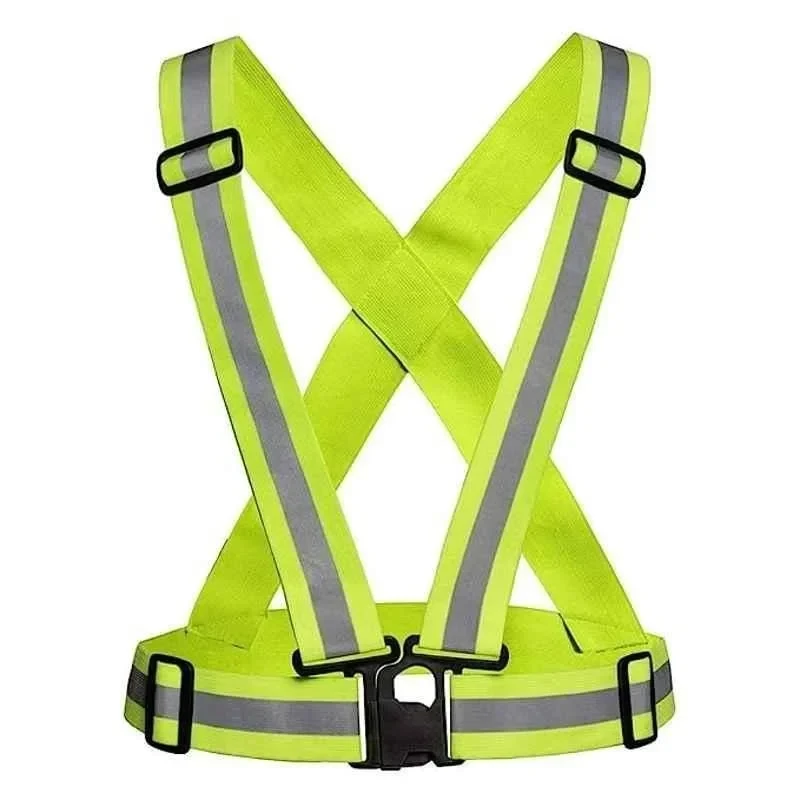
Industrial safety belts for maximum protection are specially...

Reliable safety harness solutions are an important part of w...
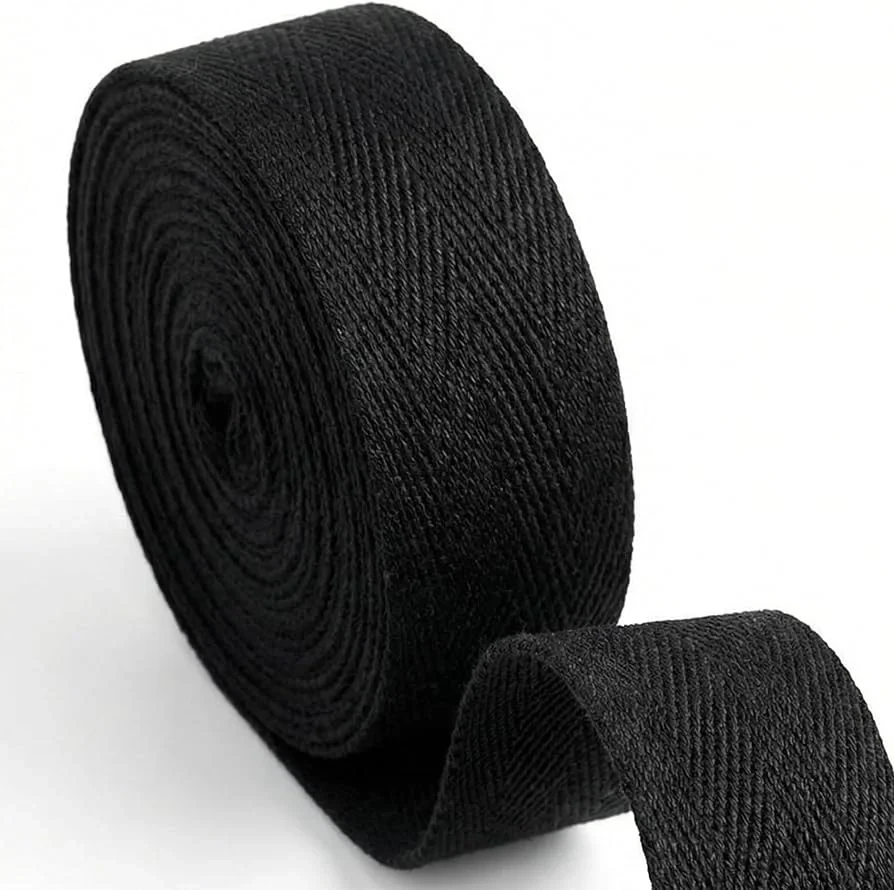
Narrow woven fabric tape manufacturing plays an important ro...
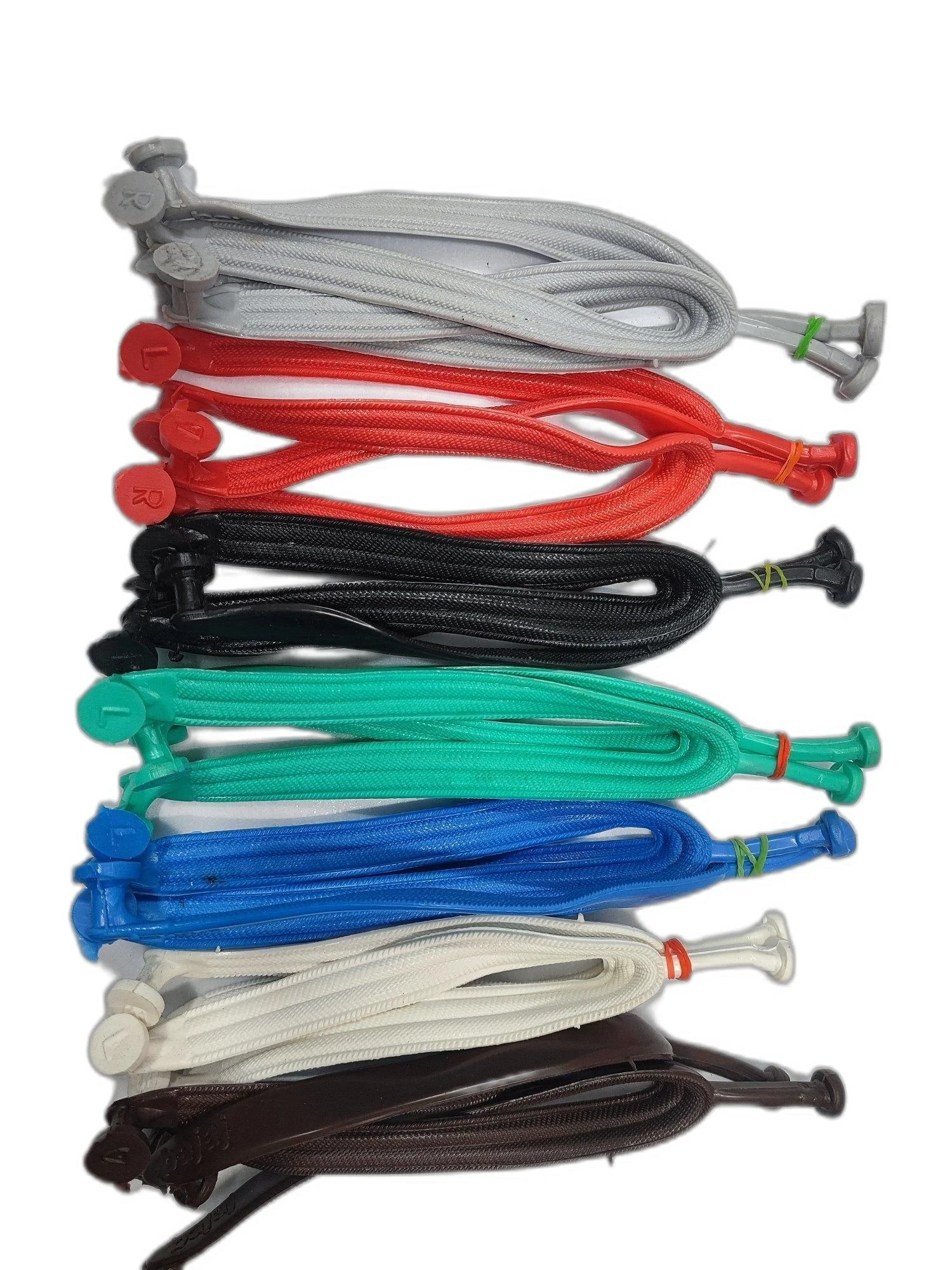
Durable slipper strap manufacturing solutions are essential...

High strength industrial woven tapes are designed for indust...

What Is Industrial Webbing?Industrial webbing is a high-stre...

Nylon vs Polyester vs Polypropylene Webbing: Which One Shoul...

How Is Industrial Webbing Manufactured? A Step-by-Step Guide...

Safety Harness Webbing: Complete Guide to Materials, Strengt...

What Is Seat Belt Webbing? Complete Guide to Automotive Safe...

Polyester Webbing: Complete Guide to Types, Strength, Uses &...

Nylon Webbing: Complete Guide to Strength, Types, Uses &...

PP Webbing: Complete Guide to Polypropylene Webbing, Uses, B...
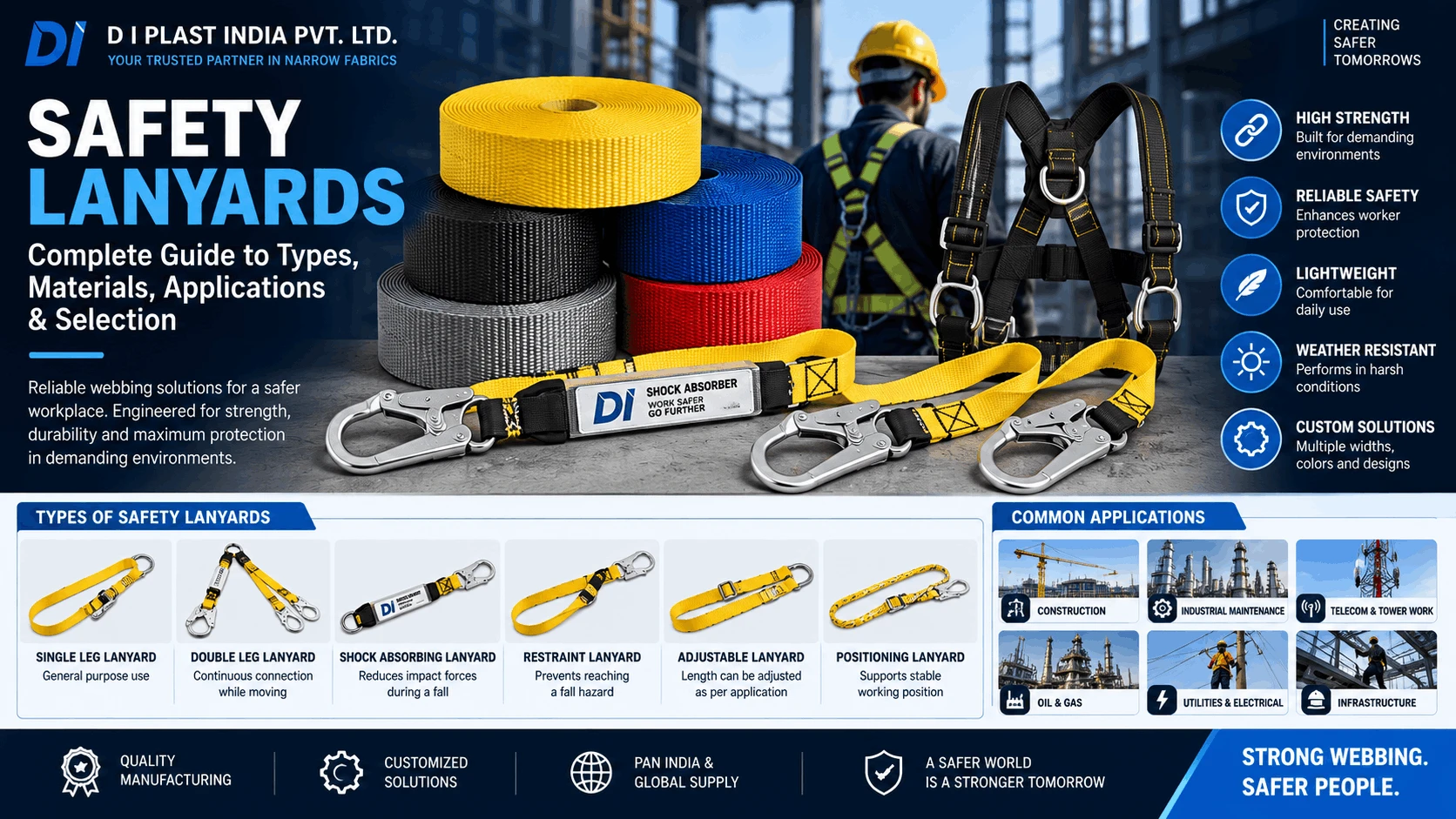
Safety Lanyards: Complete Guide to Types, Materials, Applica...
Reflective Webbing: Complete Guide to Types, Uses, Benefits...