Industrial webbing may look like a simple woven strap, but manufacturing high-quality webbing requires careful control over raw materials, yarn tension, weaving parameters, dimensions, finishing, and quality testing.
From polyester seat belt webbing and safety harness webbing to nylon pet straps, polypropylene bag webbing, military webbing, and printed webbing, every product begins with a carefully planned manufacturing process.
The performance of finished webbing depends not only on the fiber used but also on yarn construction, weave pattern, width, thickness, density, finishing, and quality control.
In this guide, we explain the industrial webbing manufacturing process step by step, from raw material selection to finished rolls ready for customers.
Webbing manufacturing is the process of converting synthetic or natural yarns into narrow woven fabrics using specialized narrow-fabric weaving machines.
Unlike conventional textile fabrics, which are produced in wide widths, webbing is manufactured directly in narrow widths or through specialized processes designed to produce narrow strips.
Industrial webbings can be manufactured from materials including:
Polyester
Nylon
Polypropylene
Cotton
Aramid
Other technical fibers
The material is selected according to the required strength, flexibility, environmental resistance, appearance, and application.
Modern narrow-fabric looms, including needle looms, are commonly used for manufacturing woven webbing. The weaving process interlaces warp and weft yarns to create a stable narrow fabric structure.
Before production begins, the required specification must be established.
A professional webbing manufacturer normally evaluates factors such as:
Material
Width
Thickness
GSM or weight
Tensile strength
Color
Weave pattern
Elongation
Application
Quantity
Required finishing
Testing requirements
For example, the requirements for a seat belt webbing are very different from those for a backpack strap or promotional lanyard.
The application determines the construction.
A buyer should therefore provide as much technical information as possible before production begins.
The next stage is selecting the appropriate yarn.
Polyester is widely used for applications requiring good UV resistance, dimensional stability, low moisture absorption, and controlled elongation.
Common applications include:
Seat belt webbing
Safety webbing
Outdoor products
Bags
Luggage
Automotive products
Industrial straps
Nylon is known for high strength, flexibility, and abrasion resistance.
It is commonly considered for:
Pet products
Outdoor equipment
Tactical products
Sports equipment
Bags
Industrial applications
Polypropylene is lightweight, moisture resistant, and economical.
Typical applications include:
Bags
Utility straps
Promotional products
Packaging
Outdoor furniture
General-purpose webbing
The choice of yarn can significantly influence the final characteristics of the webbing.
Once the raw material has been selected, yarn is prepared for weaving.
The yarn may be supplied in cones or other suitable packages. Before it reaches the loom, it needs to be arranged according to the required webbing construction.
Important parameters include:
Yarn count
Denier
Number of ends
Yarn tension
Warp density
Weft density
Consistent yarn tension is particularly important because uneven tension can result in variations in width, density, appearance, and strength.
Warping is one of the most important preparation stages.
During warping, multiple yarn ends are arranged and wound onto a beam or prepared for direct feeding into the weaving system.
The warp yarns ultimately run along the length of the webbing.
A webbing construction may require a large number of individual warp ends. Their arrangement and tension must remain consistent throughout production.
Modern warping systems can incorporate tension control and yarn-break monitoring to improve consistency.
The prepared yarns are then loaded onto the narrow-fabric weaving machine.
The loom is configured according to the required product specification.
Important machine settings can include:
Webbing width
Warp density
Weft insertion rate
Weaving pattern
Yarn tension
Edge construction
Production speed
Needle looms are commonly used for narrow woven fabrics because they are specifically designed for narrow-width production and can provide consistent edges and weaving density.
This is the stage where yarn is converted into woven webbing.
The loom interlaces the warp and weft yarns according to the selected construction.
The warp yarns run longitudinally, while the weft yarn is inserted across the width.
The interaction between these yarns creates the structure that gives webbing its strength and stability.
Different weave constructions can produce different characteristics, including:
Flat appearance
Ribbed appearance
Smooth surface
High-density structure
Heavy-duty construction
Decorative patterns
The loom must maintain consistent tension and weaving parameters throughout production.
Even relatively small variations can affect the finished product.
During weaving, the dimensions of the webbing are carefully controlled.
The required width may vary significantly depending on the application.
For example:
Narrow webbing may be used for small accessories and lanyards.
Medium-width webbing may be used for bags and luggage.
Wider webbing may be used for industrial and safety applications.
Thickness is also important because it can influence:
Strength
Flexibility
Stitching
Hardware compatibility
Product appearance
Weight
A professional manufacturer should maintain consistent dimensions throughout the production roll.
After weaving, the webbing may undergo dyeing depending on the manufacturing method and product requirement.
Color selection can be based on:
Pantone reference
Customer-approved sample
Standard color
Brand color
Application requirement
Color consistency is particularly important when large quantities are being produced.
For branded products, the color may need to remain consistent from one production batch to another.
The exact dyeing process depends on the fiber and manufacturing system.
Industrial webbing can also be customized using different decoration and branding techniques.
Common options include:
Sublimation printing is particularly useful for polyester webbing and allows detailed graphics, logos, photographs, gradients, and repeated designs.
Screen printing can be used for certain applications requiring text, logos, or simple designs.
Jacquard technology allows patterns, logos, and text to be integrated directly into the woven structure.
This can provide a durable branding solution because the design becomes part of the webbing structure.
Webbing manufacturers use printing and jacquard techniques for applications such as branding, promotional products, fashion accessories, bags, military products, and identification.
Depending on the application, additional finishing processes may be required.
Finishing can be used to modify the surface or performance characteristics of the webbing.
Potential treatments include:
Heat setting
Water-repellent finishing
Flame-retardant finishing
UV-related treatments
Anti-slip finishing
Coating
Surface treatment
Not every webbing requires additional finishing.
The process should be selected according to the application and required performance.
Quality control is one of the most important stages of industrial webbing manufacturing.
The finished webbing may be inspected for:
Width
Thickness
Weight
Color
Weave consistency
Edge quality
Surface defects
Tensile strength
Elongation
Abrasion resistance
Color fastness
The exact tests depend on the application.
Safety-critical products such as automotive restraint webbing and fall-protection components require much more stringent specifications than general-purpose bag webbing.
A professional manufacturer should establish inspection procedures according to the customer's technical requirements and applicable standards.
Tensile strength is one of the most important performance characteristics of industrial webbing.
A tensile test measures the force required to break the webbing under controlled test conditions.
However, tensile strength should not be considered in isolation.
The complete specification may also include:
Elongation
Width
Thickness
Construction
Abrasion resistance
Color fastness
Environmental performance
Two webbings made from the same material can have different tensile strengths because their yarn construction and weave density may be different.
Once the webbing has passed inspection, it is wound into rolls or other customer-specified packaging formats.
Packaging may include:
Rolls
Coils
Spools
Cut lengths
Cartons
Pallets
The packaging method depends on the customer's requirements and the final application.
Proper packaging protects the webbing from contamination, damage, moisture, and handling issues during transportation.
The basic manufacturing process can be summarized as:
Customer Requirement → Material Selection → Yarn Preparation → Warping → Loom Setup → Weaving → Dimension Control → Dyeing → Printing/Customization → Finishing → Quality Testing → Inspection → Rolling → Packing → Dispatch
Each stage contributes to the quality of the finished webbing.
The quality of finished webbing is influenced by several factors.
High-quality yarn provides a reliable starting point for consistent production.
Warp density, weft density, weave pattern, and tension affect the final performance.
Modern narrow-fabric looms allow manufacturers to maintain more consistent production parameters.
Consistent production conditions help minimize variations between rolls and batches.
Correct finishing can improve the suitability of webbing for specific environments.
Testing verifies whether the finished product meets the required specification.
Seat belt webbing is a specialized form of automotive webbing designed for occupant restraint systems.
High-strength polyester is widely used in seat belt webbing, and the webbing is produced on specialized narrow-fabric looms with carefully controlled construction and performance characteristics.
Because seat belt webbing is a safety-critical component, it should be manufactured and tested according to the applicable automotive requirements rather than treated as ordinary industrial webbing.
Safety harness webbing follows a similar basic process:
Yarn Selection → Warping → Weaving → Finishing → Testing → Inspection → Packing
However, the required specifications can be considerably more demanding.
Depending on the application, the manufacturer may need to control:
Tensile strength
Elongation
Abrasion resistance
Width
Thickness
Color fastness
Environmental performance
Applicable certification requirements
The final harness assembly must also be evaluated as a complete system, including stitching and hardware.
Manufacturing webbing is not simply a matter of feeding yarn through a loom.
A reliable supplier should understand:
Fiber selection
Yarn specifications
Weave construction
Machine settings
Tension control
Dyeing
Printing
Finishing
Testing
Packaging
Application requirements
For custom industrial products, the manufacturer's ability to convert a customer's technical requirement into a repeatable production specification is particularly important.
D I PLAST INDIA Pvt. Ltd. manufactures a wide range of woven narrow fabrics and industrial webbing solutions for different industries.
Our product range includes:
Polyester Webbing
Nylon Webbing
Polypropylene Webbing
Seat Belt Webbing
Safety Harness Webbing
Printed Webbing
Jacquard Webbing
Reflective Webbing
Pet Webbing
Military Webbing
Bag Straps
Luggage Webbing
Helmet Webbing
Other customized narrow fabrics
We work with customers to develop webbing according to their required material, width, thickness, color, construction, tensile strength, and application.
For customized requirements, buyers can share their existing sample, drawing, technical specification, application details, or required performance parameters for evaluation.
Industrial webbing manufacturing is a carefully controlled process involving much more than simple weaving.
From selecting the correct yarn and preparing the warp to configuring the loom, controlling weaving density, dyeing, printing, finishing, testing, and final inspection, every stage contributes to the performance of the finished product.
The right manufacturing process allows webbing to be engineered for applications ranging from bags and luggage to automotive safety systems, fall protection, military equipment, pet products, and industrial applications.
If you are sourcing industrial webbing, it is important to work with a manufacturer that can understand your application and provide a consistent product specification rather than simply supplying a generic strap.
Narrow-fabric weaving machines, particularly needle looms, are commonly used to manufacture woven webbing. The specific machine depends on the required width, construction, material, and product design.
Common materials include polyester, nylon, polypropylene, cotton, and specialized technical fibers such as aramid.
Polyester yarn is prepared, warped, woven on a narrow-fabric loom, and then may undergo dyeing, finishing, printing, testing, and packaging depending on the application.
Yes. Width, thickness, material, color, weave pattern, tensile strength, printing, jacquard design, and certain finishing characteristics can be customized according to the application.
Webbing is a narrow woven textile specifically produced in strap-like widths and constructions. Conventional fabric is generally produced in much wider widths and may subsequently be cut into smaller pieces.
Tensile testing equipment is used to determine the force required to break the webbing under controlled conditions. Additional tests may be required depending on the intended application.
A needle loom is a specialized narrow-fabric weaving machine designed to produce products such as webbing, tapes, ribbons, and other narrow woven fabrics.
Yes. Depending on the material and design, webbing can be customized using techniques such as sublimation printing, screen printing, or jacquard weaving.
D I PLAST INDIA can develop and manufacture webbing according to your application and technical requirements.
Share your required material, width, thickness, color, application, quantity, and strength requirement with our team to discuss the right webbing construction for your product.
Contact D I PLAST INDIA for samples, customized webbing, and bulk manufacturing requirements.

Industrial nylon webbing safety belts are essential safety p...
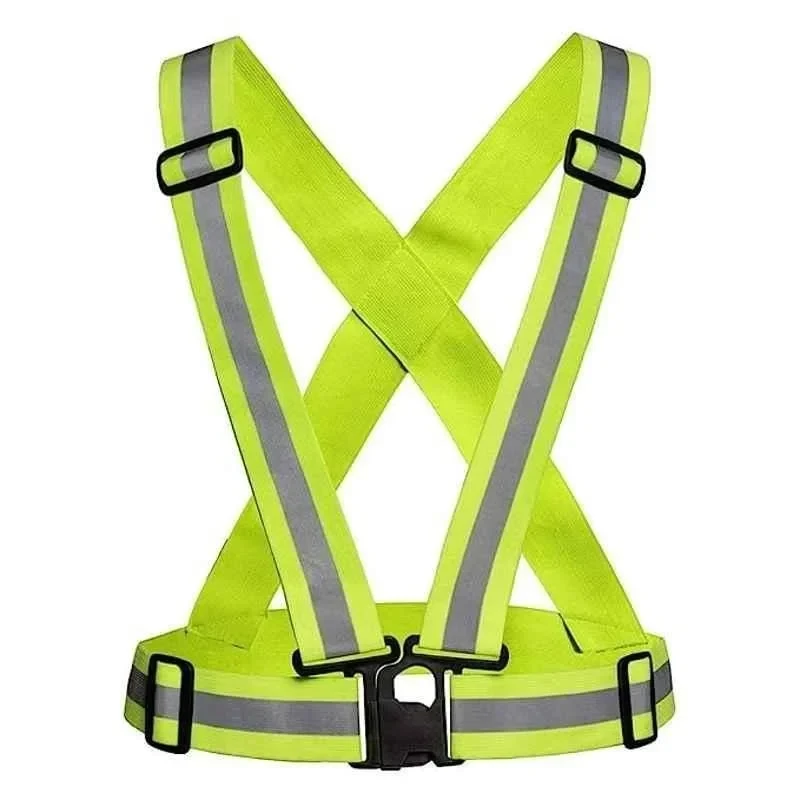
Industrial safety belts for maximum protection are specially...

Reliable safety harness solutions are an important part of w...
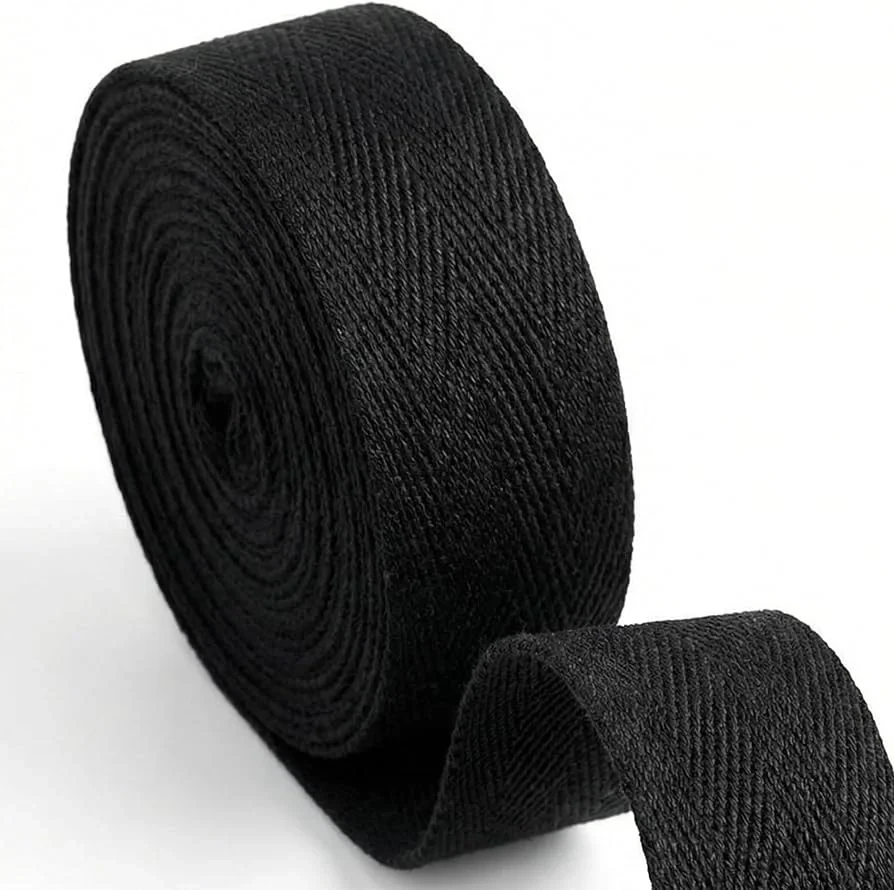
Narrow woven fabric tape manufacturing plays an important ro...
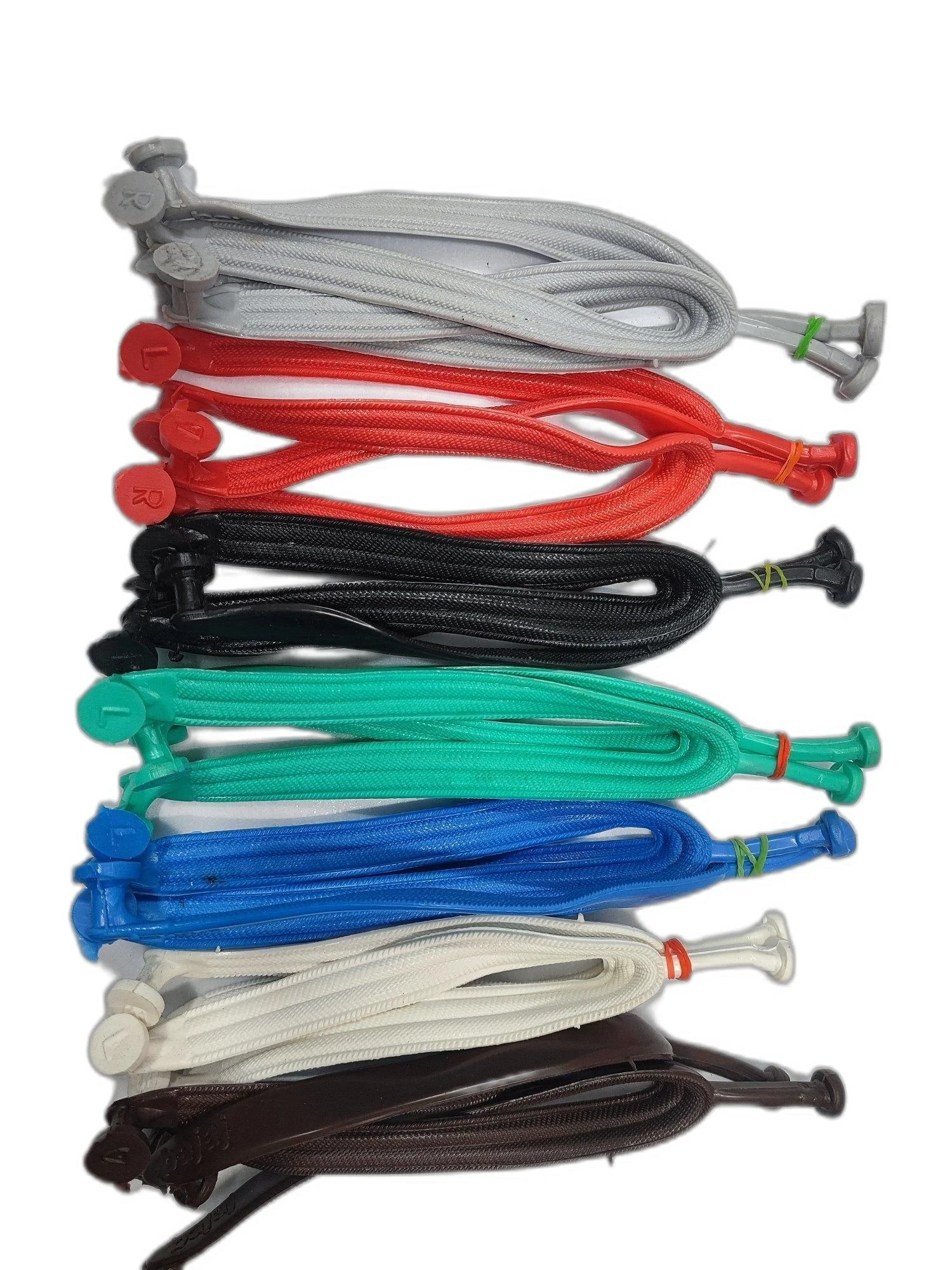
Durable slipper strap manufacturing solutions are essential...

High strength industrial woven tapes are designed for indust...

What Is Industrial Webbing?Industrial webbing is a high-stre...

Nylon vs Polyester vs Polypropylene Webbing: Which One Shoul...

Safety Harness Webbing: Complete Guide to Materials, Strengt...

What Is Seat Belt Webbing? Complete Guide to Automotive Safe...

Bag & Luggage Webbing: Complete Guide to Materials, Type...

Polyester Webbing: Complete Guide to Types, Strength, Uses &...

Nylon Webbing: Complete Guide to Strength, Types, Uses &...

PP Webbing: Complete Guide to Polypropylene Webbing, Uses, B...
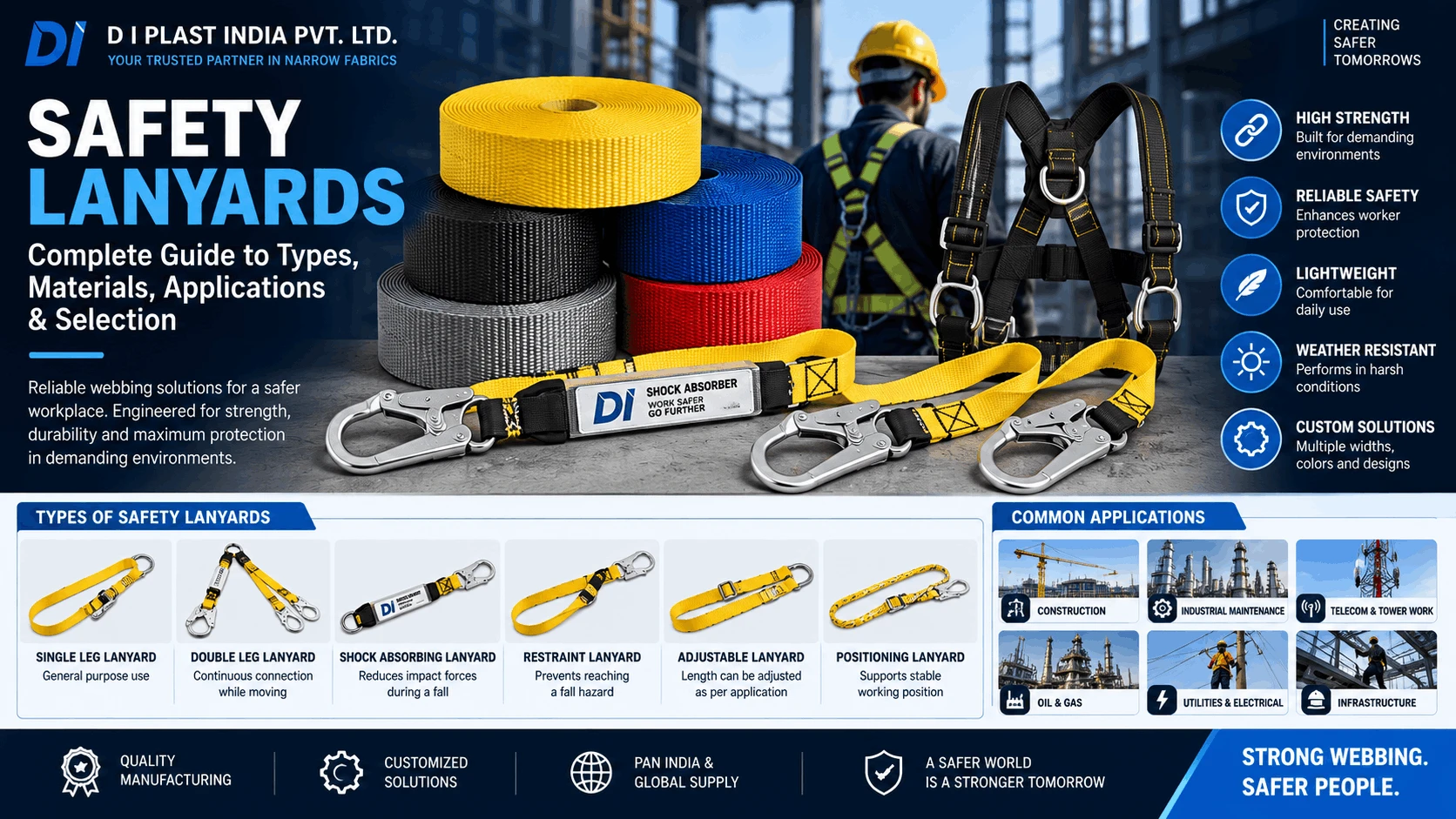
Safety Lanyards: Complete Guide to Types, Materials, Applica...
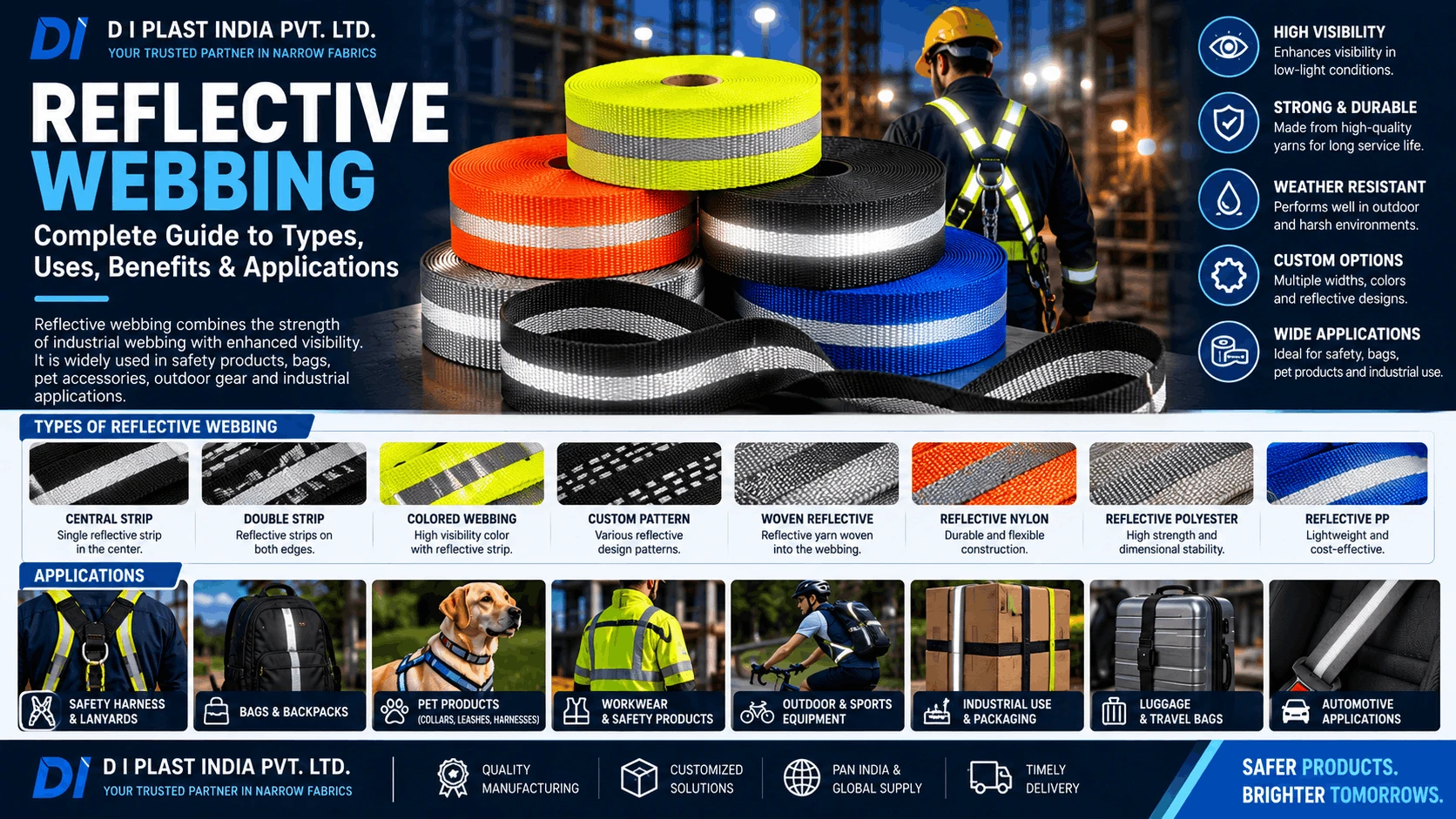
Reflective Webbing: Complete Guide to Types, Uses, Benefits...