Industrial webbing is a high-strength woven narrow fabric engineered for load-bearing, reinforcement, securing, lifting, and safety applications across numerous industries. Manufactured using durable synthetic fibers such as polyester, nylon, and polypropylene, industrial webbing combines exceptional tensile strength with flexibility, making it an essential component in products ranging from safety harnesses and seat belts to backpacks, pet accessories, military equipment, luggage, and industrial lifting systems.
Unlike ordinary fabrics, industrial webbing is specifically designed to withstand continuous stress, abrasion, environmental exposure, and repeated loading without compromising its structural integrity. Its lightweight construction, durability, and versatility make it indispensable in industries including automotive, construction, defense, logistics, sports, outdoor equipment, healthcare, and consumer goods.
As global demand for technical textiles continues to rise, industrial webbing has become one of the most important categories within the narrow fabric industry. Manufacturers now produce specialized webbings tailored to meet stringent performance requirements such as high tensile strength, UV resistance, flame retardancy, chemical resistance, and compliance with international safety standards.
Whether you are a product designer, purchasing manager, OEM manufacturer, exporter, or simply interested in technical textiles, understanding industrial webbing is essential for selecting the right material and ensuring product safety, durability, and long-term performance.
Industrial webbing is a woven narrow fabric manufactured using high-strength yarns that are interlaced to create a durable strip capable of supporting heavy loads while remaining flexible.
Unlike ropes or ordinary textiles, webbing distributes force evenly across its width, reducing localized stress and improving overall performance. Depending on its intended application, industrial webbing may be manufactured in widths ranging from 10 mm to over 300 mm and in various thicknesses, colors, and weave patterns.
Modern industrial webbing is primarily manufactured from:
Polyester
Nylon
Polypropylene
Para-Aramid
UHMWPE
Cotton (specialized applications)
Each material provides distinct performance characteristics that make it suitable for different industries.
Industrial webbing has become the preferred reinforcement material because it offers an excellent balance between strength, flexibility, durability, and weight.
Some of its key advantages include:
High tensile strength
Excellent abrasion resistance
Lightweight construction
Flexibility without deformation
UV resistance
Moisture resistance
Long service life
Easy stitching and fabrication
Cost-effective manufacturing
Wide customization possibilities
These characteristics allow industrial webbing to perform reliably even under demanding operating conditions.
Polyester webbing is among the most widely used industrial webbings due to its excellent dimensional stability, UV resistance, and low elongation under load.
Advantages include:
High tensile strength
Excellent weather resistance
Low water absorption
Superior UV stability
Minimal stretching
Long service life
Typical applications include:
Safety harnesses
Cargo straps
Outdoor equipment
Backpack straps
Industrial lifting
Automotive products
Nylon webbing is known for its outstanding strength and flexibility.
Its ability to absorb shock loads makes it particularly suitable for dynamic applications.
Advantages:
Extremely strong
Excellent abrasion resistance
Soft surface finish
High flexibility
Superior shock absorption
Applications include:
Pet products
Military equipment
Outdoor gear
Sporting goods
Climbing equipment
Tactical products
Polypropylene webbing offers an economical solution where lightweight construction and moisture resistance are required.
Advantages:
Lightweight
Cost-effective
Excellent chemical resistance
Water resistant
Floats on water
Applications:
Bags
Promotional products
Outdoor furniture
Luggage
Agriculture
Marine accessories
Industrial webbing manufacturing involves several precision-controlled processes to ensure consistent quality and performance.
The process begins with selecting the appropriate yarn based on the required strength, flexibility, and application.
Multiple yarns are wound onto beams while maintaining uniform tension.
The prepared warp beams are installed on high-speed narrow fabric weaving machines, where warp and weft yarns are interlaced to create the desired webbing structure.
Depending on customer requirements, the woven webbing may be dyed, sublimation printed, screen printed, or jacquard woven.
Heat treatment stabilizes the webbing dimensions and improves performance.
Every roll is inspected for:
Width
Thickness
Weight
Tensile strength
Appearance
Color consistency
Finished rolls are packed according to customer specifications for domestic or export shipment.
Industrial webbing is widely used in:
Automotive
Safety Equipment
Defense
Luggage
Sports Equipment
Footwear
Pet Products
Furniture
Medical Devices
Camping Equipment
Outdoor Products
Industrial Lifting
Before selecting industrial webbing, consider:
Required tensile strength
Material type
Environmental exposure
UV resistance
Abrasion resistance
Chemical exposure
Flexibility
Width
Thickness
Stitching compatibility
Industry standards
Choosing the correct webbing ensures improved product safety, durability, and performance.
Poor-quality webbing can lead to premature wear, reduced load capacity, and potential safety risks. High-quality webbing manufactured under strict quality control offers consistent dimensions, superior strength, and dependable performance in demanding applications.
Industrial webbing plays a vital role in countless products used every day across industries. Its combination of strength, flexibility, durability, and adaptability makes it an indispensable component in modern manufacturing.
Whether used in automotive safety systems, fall protection equipment, military gear, pet accessories, luggage, or outdoor products, selecting the appropriate webbing material and manufacturing partner is essential for achieving reliable long-term performance.
Partnering with an experienced manufacturer ensures access to high-quality materials, advanced weaving technology, and customized solutions tailored to your specific application requirements.
Industrial webbing is a high-strength woven narrow fabric used for reinforcement, load bearing, lifting, and securing applications.
The ideal material depends on the application. Polyester is preferred for UV resistance and dimensional stability, nylon for flexibility and shock absorption, and polypropylene for lightweight, moisture-resistant applications.
Automotive, safety, defense, medical, luggage, pet products, footwear, furniture, sports equipment, and industrial lifting all rely on industrial webbing.
The tensile strength varies based on material, weave construction, width, and thickness. Industrial-grade webbings are engineered to meet specific load requirements for their intended use.
Yes. Manufacturers can customize width, thickness, color, weave pattern, printing, jacquard designs, and performance characteristics to suit customer requirements.
D I PLAST INDIA Pvt. Ltd. is a leading Indian manufacturer of high-performance narrow fabrics and industrial webbings. The company specializes in polyester webbing, nylon webbing, polypropylene webbing, printed webbing, jacquard webbing, safety harness webbing, seat belt webbing, pet webbing, military webbing, bag straps, and other customized technical textile solutions for domestic and international markets.
If you are looking for reliable industrial webbing solutions tailored to your application, our team is ready to assist with product selection, sampling, and bulk manufacturing.

Industrial nylon webbing safety belts are essential safety p...
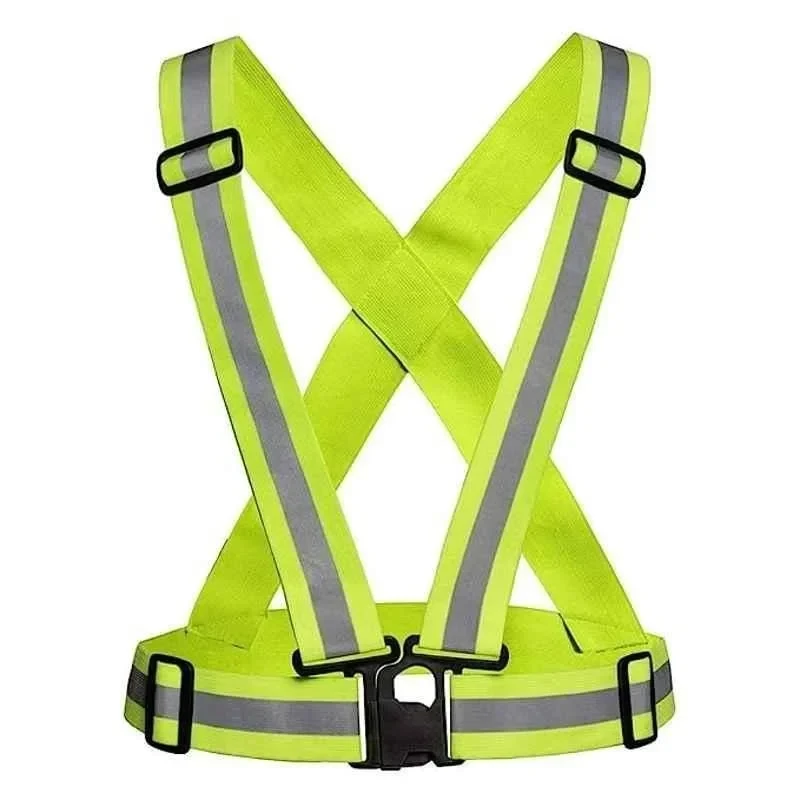
Industrial safety belts for maximum protection are specially...

Reliable safety harness solutions are an important part of w...
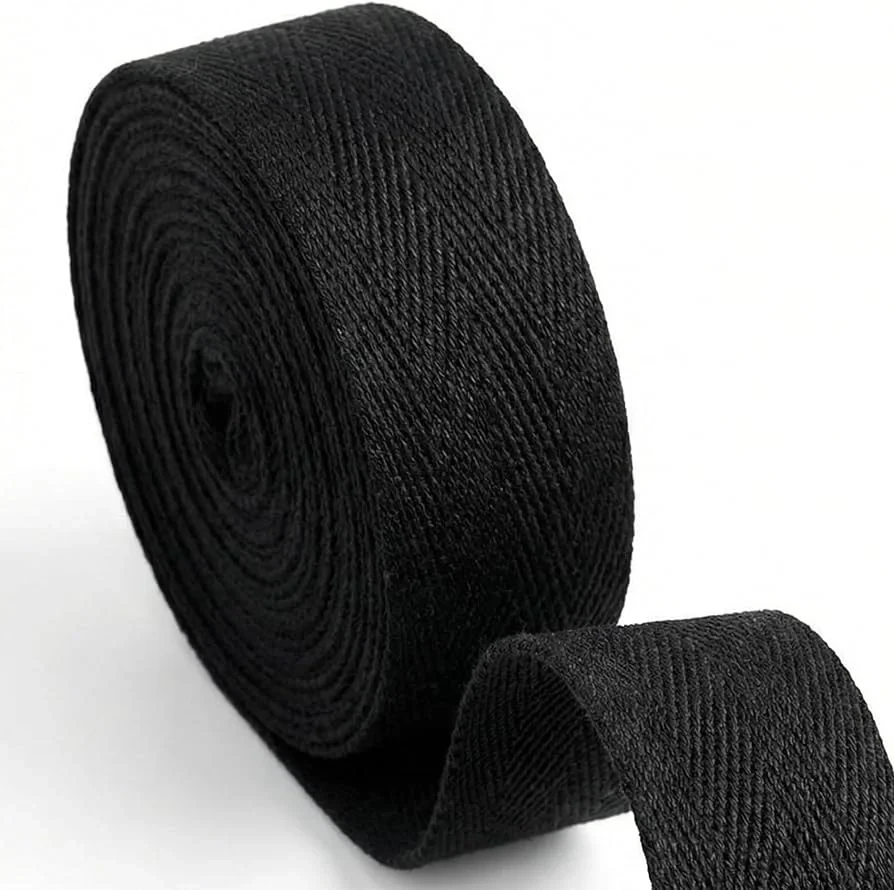
Narrow woven fabric tape manufacturing plays an important ro...
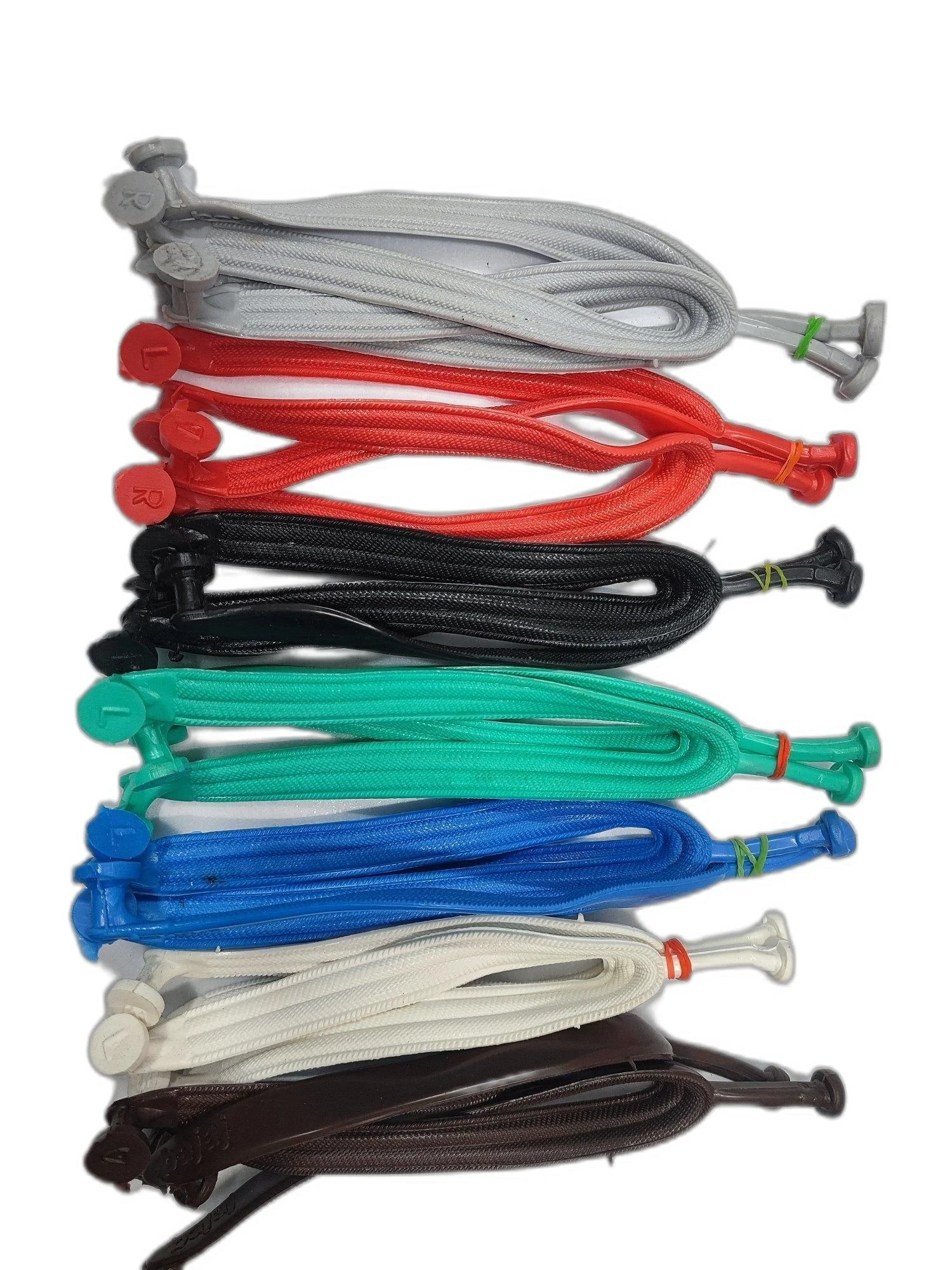
Durable slipper strap manufacturing solutions are essential...

High strength industrial woven tapes are designed for indust...

Nylon vs Polyester vs Polypropylene Webbing: Which One Shoul...

How Is Industrial Webbing Manufactured? A Step-by-Step Guide...

Safety Harness Webbing: Complete Guide to Materials, Strengt...

What Is Seat Belt Webbing? Complete Guide to Automotive Safe...

Bag & Luggage Webbing: Complete Guide to Materials, Type...

Polyester Webbing: Complete Guide to Types, Strength, Uses &...

Nylon Webbing: Complete Guide to Strength, Types, Uses &...

PP Webbing: Complete Guide to Polypropylene Webbing, Uses, B...
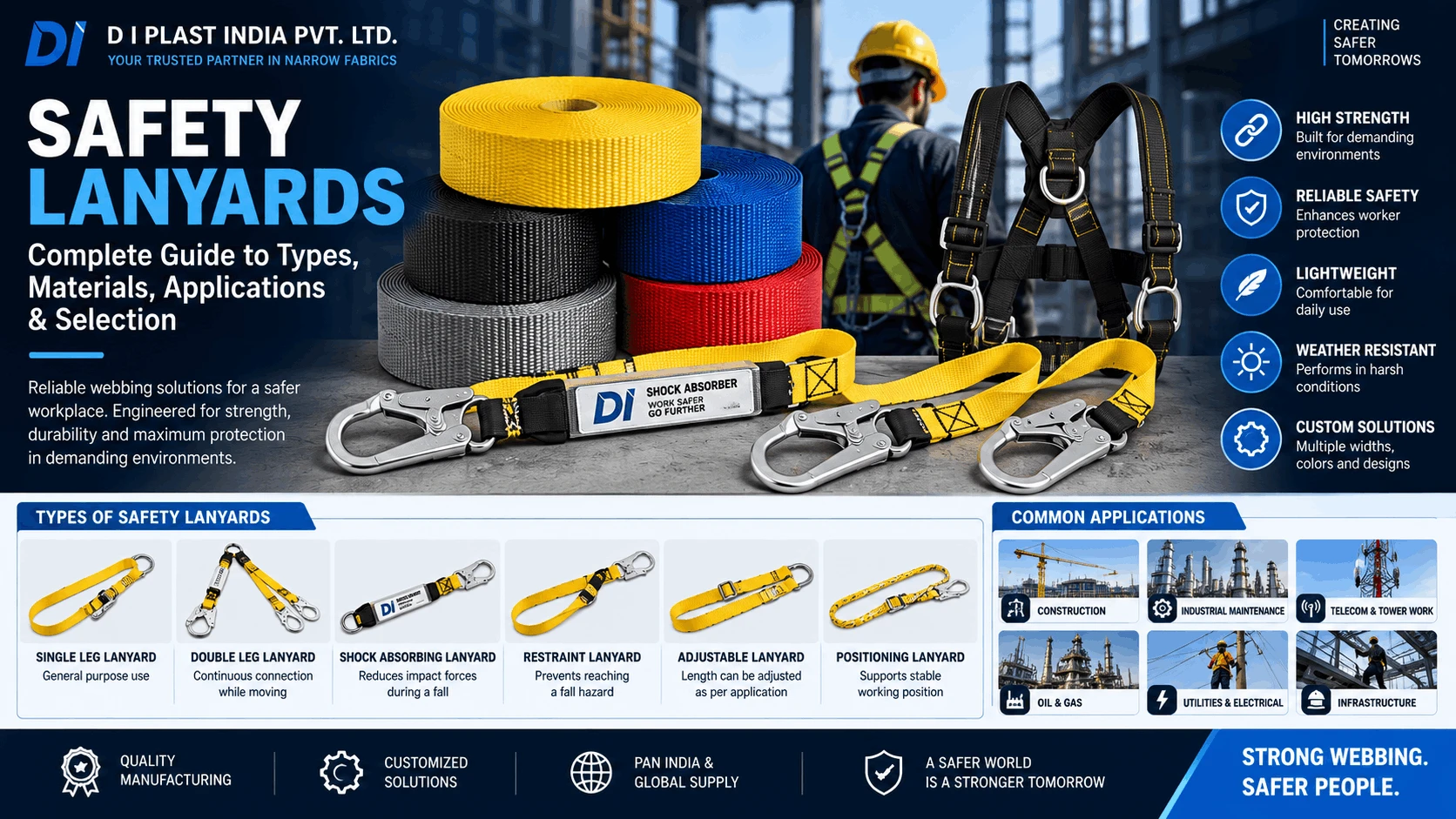
Safety Lanyards: Complete Guide to Types, Materials, Applica...
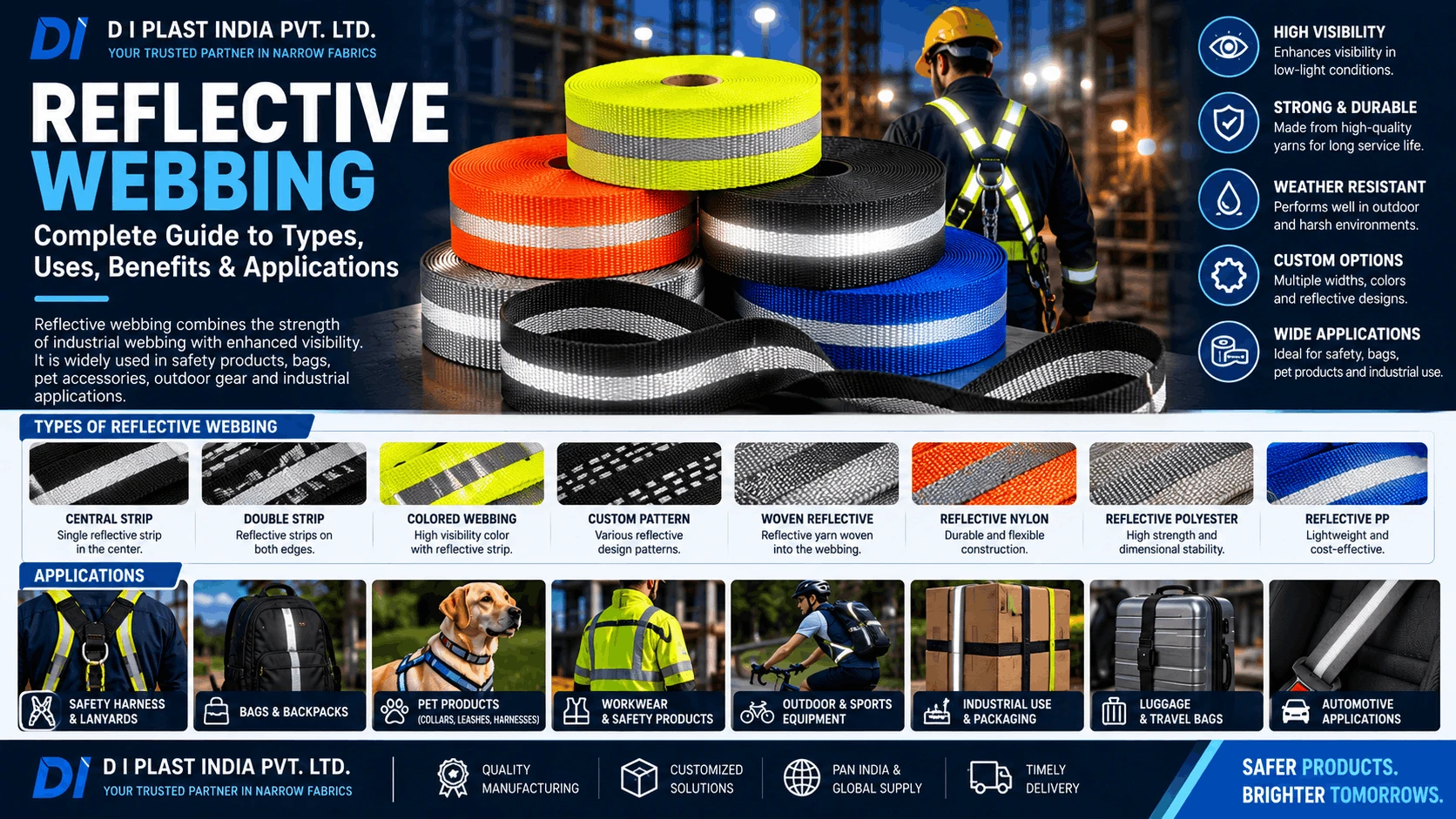
Reflective Webbing: Complete Guide to Types, Uses, Benefits...